
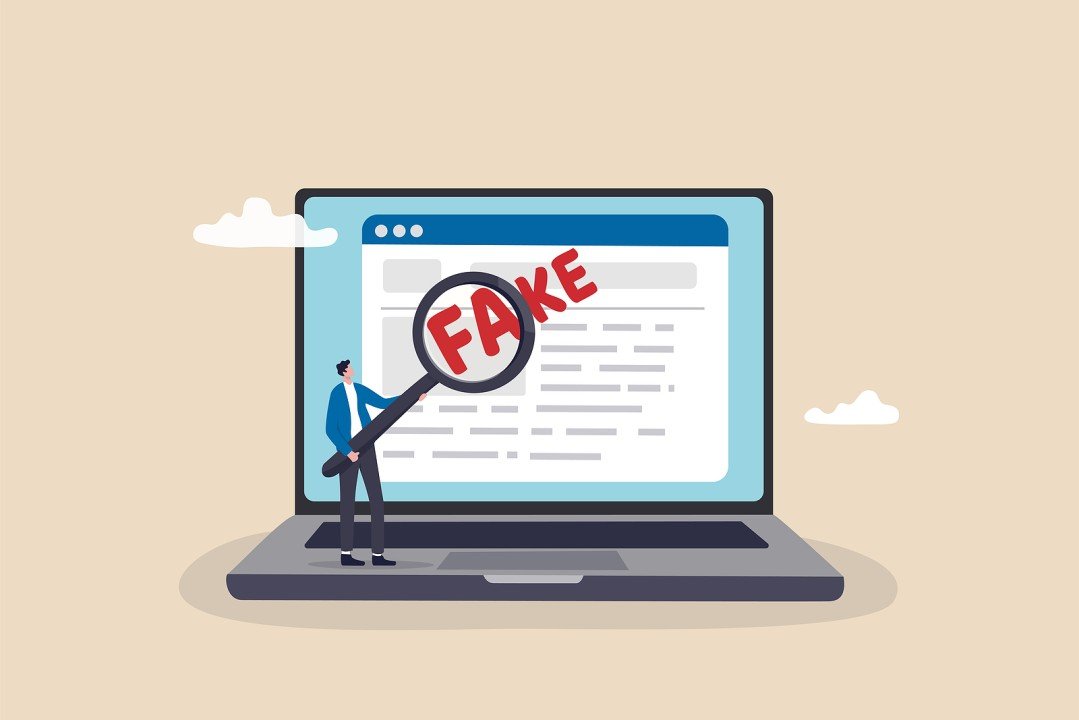
Why FMCG Trading Is a Scammer’s Favorite Playground, and What We’re Doing About It
If you’ve spent any real time sourcing or trading FMCG products, you already know the feeling: an offer lands in your inbox that looks too good, the price is unbeatable, the company has a professional-looking website, and something about it still doesn’t sit right. That instinct is worth trusting. FMCG has become one of the most heavily targeted categories for B2B fraud in international trade, and it’s not by accident. The category has a specific set of features that make it uniquely attractive to scammers, and it’s worth understanding exactly why.
Why FMCG specifically attracts fraud
1. High volume, thin margins, and constant urgency. FMCG deals move fast by nature, product expires, prices shift, and buyers are used to acting quickly when a good offer appears. Scammers exploit that exact rhythm. A fraudulent offer dressed up as a time-limited opportunity, “this lot needs to move today,” “three other buyers are already interested,” plays directly into behavior that’s completely normal in legitimate FMCG trading. The urgency that makes real deals work is the same urgency that makes fake ones convincing.
2. Brand-name products are easy bait. Coca-Cola, Red Bull, Nutella, Pringles, these are products every buyer instantly recognizes and wants, which makes them the perfect lure. A scammer doesn’t need to convince you their product is good, everyone already knows the brand. They just need to convince you they actually have it, at a price that’s suspiciously better than anyone else’s.
3. Cross-border complexity hides a multitude of sins. A deal between a buyer in Germany and a supplier claiming to operate out of Poland, the Netherlands, or Eastern Europe involves multiple legal systems, currencies, and document standards. That complexity is exactly where fraud hides. It’s much harder for a buyer to verify a foreign company’s actual legal status, financial health, or even whether the person they’re emailing is who they claim to be, compared to checking out a domestic supplier down the road.
4. Company identity theft is disturbingly easy. One of the more sophisticated patterns we’ve encountered directly involves scammers using the real registration details, VAT numbers, and even the name of a legitimate, operating company, without that company’s knowledge, to appear credible. A buyer doing a quick search sees a real business with a real trade history and assumes they’re dealing with that company, when in reality they’re dealing with an impersonator who’s hijacked its identity. This is far more dangerous than an obviously fake shell company, because the surface-level due diligence checks out.
5. Document forgery has gotten easier, not harder. Fabricated certificates of origin, fake bank confirmation letters, forged inspection reports, these used to require real effort to produce convincingly. They don’t anymore. A well-made fake document can pass a casual glance, which means document verification has to go deeper than “does this look official,” it has to include actually contacting the issuing authority or bank directly.
6. Some counterparties are legally still standing but functionally hollow. Not every red flag is an outright scam. Some companies have gone through insolvency or liquidation in the past and re-registered or continued operating under related entities. Others show a mismatch between claimed transaction volume and what their actual financial footprint could plausibly support, a company claiming to move container-loads of stock with no real warehousing, staff, or financial history behind it. These aren’t always fraud in the criminal sense, but they’re exactly the kind of counterparty that leaves a buyer holding the risk when something goes wrong.
The scale of the problem
This isn’t a fringe issue. Broader B2B payment fraud data from 2026 shows that roughly four out of five organizations report being actively targeted by payment fraud attempts, and the methods, vendor impersonation, invoice redirection, fake banking-detail changes, business email compromise, are increasingly automated and industrialized rather than one-off opportunistic attempts. FMCG sits squarely inside that exposure, given how much of the category still runs on relationship-based trust, quick decisions, and cross-border unfamiliarity.
There’s already a community-driven response to this in the wider trade world, dedicated scam-reporting databases exist specifically for FMCG trade, built from real trader reports of companies that turned out to be fraudulent. Their existence alone tells you how widespread the problem has become, an entire category needed its own shared blacklist because individual companies kept encountering the same repeat offenders operating under different names.
What Agartha is doing about it
We’ve built and actively maintain a structured supplier verification framework specifically to deal with this reality. Before we bring a supplier or buyer relationship to a client, we cross-reference official government business registries, validate VAT numbers through the EU’s VIES system, check insolvency history, and assess whether a company’s claimed transaction scale is actually plausible given its real financial and operational footprint. We also weigh softer signals, digital footprint quality, LinkedIn presence, website authenticity, since a company with no real digital trace relative to its claimed size is itself a signal worth taking seriously.
On top of that internal process, we’re now compiling our own red-flagged company list, a working internal database of counterparties we’ve identified through direct experience or verification as carrying serious risk, whether that’s outright fraud, identity misuse, fabricated documentation, or financial instability that makes them unsafe to deal with. It’s a resource we intend to keep growing and refining as we encounter more of the market, and it directly informs how we vet every new supplier and buyer relationship before we bring it to a partner.
What you can do in the meantime
If you’re sourcing or trading in FMCG yourself, a few habits go a long way:
- Verify company registration independently, don’t trust a company’s own website or documents, check the actual government business registry for the country they claim to operate in.
- Validate VAT numbers through official systems rather than taking a printed number at face value.
- Be suspicious of urgency that doesn’t match the deal’s actual context. Real time-sensitive deals exist, but “you must decide today” paired with an unusually attractive price is a classic pressure pattern.
- Confirm documents directly with the issuing party, a bank confirmation letter should be verifiable by contacting the bank, not just by how official the letterhead looks.
- Check whether the claimed transaction scale is plausible. A company with no visible warehousing, staff, or trade history claiming to move large volumes is worth a harder look before any payment changes hands.