
Brazil Just Got Cut Off From the EU Meat Market. Here’s What That Actually Means.
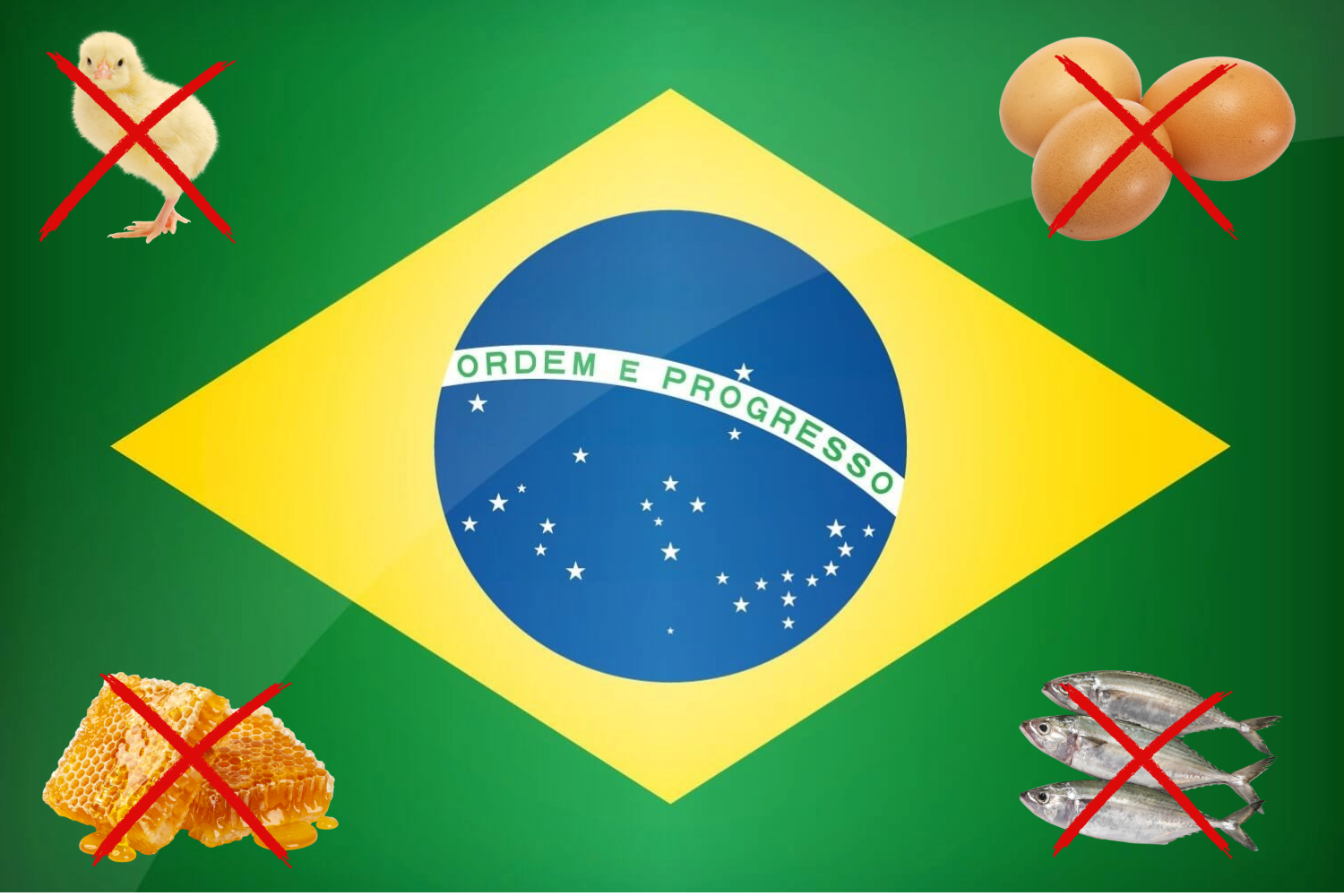
Starting September 3, 2026, Brazil can no longer sell meat into the European Union. Not less. Not under stricter rules. Cut off entirely, poultry, beef, eggs, aquaculture, honey, the works.
If you buy chicken anywhere in Europe, directly or through a distributor, this is the kind of news you want to know about in July, not find out about in September when your usual supply just doesn’t show up.
So what actually happened
The EU keeps a list of countries allowed to export food-producing animals into the bloc. To stay on it, a country has to prove it’s not using antimicrobials, the same drug classes used in human medicine, to pump up livestock growth. Brazil got reviewed, and in May 2026 an EU committee voted, unanimously, to take Brazil off that list. First time any country has been removed since the rule existed.
The European Commission’s own spokesperson put it plainly: from September 3, Brazil can’t export bovine, poultry, eggs, aquaculture, honey, or casings into the EU, full stop, until it proves it’s cleaned up its act.
And there’s a twist. This lands just weeks after the EU-Mercosur trade deal (the one opening up agricultural trade between the EU and Brazil, Argentina, Paraguay, and Uruguay) went into provisional effect on May 1, 2026. European farmers had already been furious about that deal. This ban is, in part, the EU telling them “we hear you.”
Brazil isn’t necessarily locked out forever, if it proves compliance, it gets back on the list. Reports through mid-2026 suggest Brazilian producers are scrambling to tighten inspections before the deadline. Maybe they make it. Maybe they don’t. Either way, buyers can’t plan around a maybe.
Why this is a bigger deal than it sounds
Brazil isn’t some minor supplier you can shrug off. It’s been one of the two biggest sources of poultry coming into the EU, alongside Ukraine. Depending on the period you look at, Brazil has held somewhere around 27% to 32% of all EU poultry imports, and at points has climbed even higher, EU trade data pegged Brazil’s share of frozen chicken cuts specifically at close to 49% in one recent quarter as Ukrainian supply tightened.
Put a number on it: EU poultry imports from outside the bloc were already growing, up 3% in volume and 18% in value in 2025 versus the year before, according to Eurostat. Now knock out the single biggest chunk of that supply, all at once, on a fixed date, with six weeks’ notice from when most people found out. That’s not a gap that closes itself.
Who’s left to fill it, and why it’s not that simple
The obvious backups are Ukraine, the UK, and Thailand:
- Ukraine is already the EU’s other top poultry supplier, but its exports are capped by safeguard quotas meant to protect EU farmers. Ukrainian chicken volumes have been sitting flat around 136,000 tonnes a year specifically because of these caps, they can’t just turn up the tap to absorb Brazil’s exit.
- The UK has actually seen its poultry exports to the EU drop, roughly 8% down in 2025, thanks to stricter post-Brexit sanitary checks. No rebound in sight.
- Thailand has been gaining ground and grew imports into the EU by double digits last year, but it’s a long way from Europe, and its production and packaging standards don’t always line up cleanly with what every EU buyer needs on short notice.
None of these three can just absorb a third of the EU’s poultry imports overnight. That gap gets filled piecemeal, by whichever suppliers and sourcing partners move fastest, not by one clean substitute.
What buyers should actually do about it
If any part of your chicken supply traces back to Brazil, and a lot of supply chains run further upstream than people realize, the smart move is locking in a compliant alternative now, not scrambling in the last week of August. Everyone affected by this ban is looking for the same thing at the same time. Waiting means competing with the entire European buying market for whatever capacity is left.
This is exactly the kind of moment where speed beats price. Saving another 2% on a quote means nothing if you don’t have product moving in September.
Where Agartha fits in
We work with verified European producers in the frozen and processed poultry category and we’re actively helping buyers lock in compliant supply ahead of the deadline. If this affects you, the conversation needs to start now, not in late August.